US Warns Gulf States to Prepare for Short, Intense Iran Campaign After Midterms, Report Says
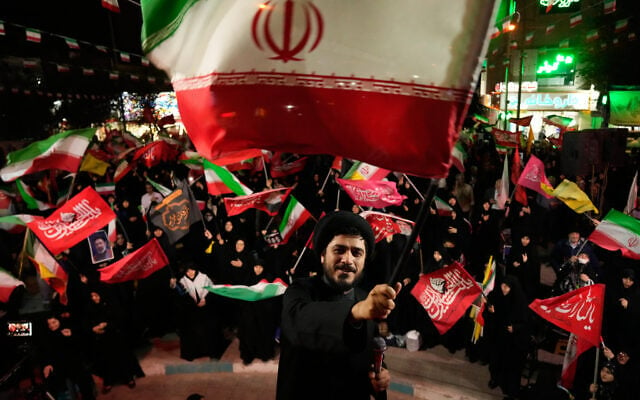
Photo: Vahid Salemi/AP via The Times of Israel
The United States has told several Gulf Arab states to prepare for a short, intense military campaign against Iran after the American midterm elections on 3 November, The Wall Street Journal reported on Tuesday, in a warning that lands in the same week as a new Qatari peace draft for Tehran.
The warning was passed through diplomatic and military channels, The Times of Israel reported, citing the Journal's account from people briefed on the conversations. It is one of the clearest signs yet that Washington and Israel are preparing for a new round of heavy fighting with Iran, even as mediators try to close a deal.
Main News Report
According to the report, the US military is sending a Patriot air defence battery from Texas to the region and moving troops away from bases where they could be exposed to Iranian fire. US forces in the region are also restocking munitions, and bomber aircraft and fighter jets are preparing for possible strikes, TRT World reported, citing the same Journal story.
An additional aircraft carrier strike group and a Marine expeditionary unit are also expected to join roughly 20 other warships operating in the Middle East next month. President Donald Trump has not made a final decision, the Journal said, but he is leaning toward a large post-election attack that could target Iranian infrastructure and nuclear sites.
The White House declined to comment on what it called sensitive military plans that may or may not exist, but said Trump was keeping all options on the table to ensure Iran can never have a nuclear weapon. At a campaign rally in Lubbock, Texas, on Tuesday, Trump said: "You will see Iran in a couple of weeks, if you don't mind."
Speaking early on Wednesday after results came in from Israel's inconclusive election, Prime Minister Benjamin Netanyahu called for his opponents to join him in forming a broad government, saying Israel faced a historic, one-time opportunity along with Trump to remove the Iranian threat once and for all.
Background Context
The current conflict began on 28 February, when Trump announced the start of major combat operations against Iran alongside Israeli strikes. The fighting followed the 12-day Israel-Iran war in June 2025, during which the United States struck Iran's Fordo, Natanz and Isfahan nuclear facilities.
The war is now in its eighth month. According to Pentagon data reviewed by Reuters, the US military has spent more than 47 billion dollars prosecuting the war with Iran, more than 25 percent above the Defence Department's estimate in July. The bulk of that sum, more than 29 billion dollars, went on replacing expended munitions such as Tomahawk and Patriot missiles.
The New York Times reported last week that the United States and Israel had stepped up military exercises ahead of a possible short but intensive operation, with potential targets including Iranian nuclear facilities, energy infrastructure and missile and drone arsenals. That report also said there is a small chance Trump could order strikes this month, while noting he could ultimately decide not to authorise any military action at all.
Reactions and Statements
Iran has warned it could hit back hard if attacked again. Iranian security officials have told Reuters that Tehran drew up detailed plans to attack Gulf undersea cables if the United States and Israel resumed attacks, a threat that matters to Gulf states now receiving the American warning.
Despite the renewed threat of military action, the head of the UN nuclear watchdog said on Tuesday that there had been no sign Iran was repairing or rebuilding nuclear facilities damaged in American and Israeli strikes in 2025 and 2026. International Atomic Energy Agency chief Rafael Grossi told a UN Security Council meeting that Iran should grant inspectors access to all its nuclear sites, including those damaged in the strikes.
"Since June 2025, we have not identified any activity to repair or reconstruct any of the facilities damaged in the military attacks of 2025 and 2026," Grossi said. The agency has been unable to verify the size or location of Iran's remaining stockpile of near-weapons-grade uranium since the June 2025 strikes.
Why This News Matters
For Pakistan and the Gulf, this warning is not abstract. Pakistan is one of the mediators working with Qatar to end the war, and a new round of fighting would hit shipping, oil supplies and fuel prices across the region, the same pressures already felt during the Houthi attacks on Saudi refineries covered on this blog this week.
The warning also sharpens the choice facing Tehran. Qatari mediators presented Iran with a new draft deal on Sunday, with a response expected by the end of this week, setting out a seven-day timeline of daily confidence-building steps from both sides. Iran now has to answer that draft while being told, in parallel, to prepare for a short, intense campaign if talks fail.
For voters in the United States, the war has become a midterm issue too. Rising fuel prices and the long conflict are weighing on Trump's Republican Party ahead of the 3 November vote, even as Trump argues that higher fuel costs are a price worth paying to stop Iran getting a nuclear weapon.
Future Developments After the US Iran Warning
Three dates matter next. First, the end of this week, when Iran is expected to respond to the Qatari draft deal. Second, 3 November, the midterm elections, after which the reported campaign window opens. Third, early next week, when the seven-day timeline in the draft deal could begin if both sides accept it, with several countries acting as guarantors.
If Tehran accepts the draft, the war-preparation story may fade into a pressure tactic that never became a campaign. If it rejects the draft or stalls past the elections, the Patriot move, the troop shifts and the extra carrier group will look like the opening steps of the operation the Journal described. PakInsight Hub will follow Iran's response to the draft and any further US military moves in the Gulf.
Sources
- The Times of Israel: US warns Gulf states of possible renewed Iran offensive after midterms, report says
- TRT World: US warns Gulf states of possible escalation against Iran after midterms
- The Wall Street Journal: US warns Gulf of possible short, intense renewal of Iran war after midterms (original report, as cited above)
#Iran #US #Gulf #MiddleEast #BreakingNews #WorldNews #Trump


Comments
Post a Comment