US Economy Grows 3.4% in Third Quarter as September Inflation Hits 3.6%
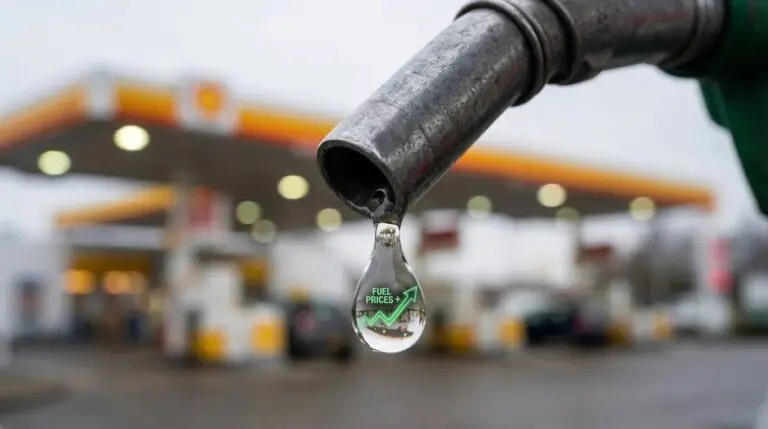
Photo: Jamaica Observer
The United States economy grew faster than expected in the third quarter of 2026, but inflation also picked up in September, leaving the Federal Reserve facing a hard choice on interest rates just days before the midterm elections.
New figures from the Bureau of Economic Analysis, the US government agency that tracks the economy, show growth of 3.4 percent on an annual basis from July to September. That is up from 2.2 percent in the second quarter and above the 3.1 to 3.2 percent that forecasters had expected.
At the same time, the Fed's preferred inflation measure, the Personal Consumption Expenditures price index, rose 3.6 percent over the year to September, up from 3.4 percent in August. Markets now put the chance of a Fed rate rise in December at about 84.6 percent, according to CME's FedWatch tool.
US GDP Growth Beats Forecasts in Third Quarter
The Bureau of Economic Analysis said in its advance estimate that the economy grew at a 3.4 percent annual rate in the third quarter. The advance estimate is the first of three readings and will be revised as more data comes in.
Growth was driven by higher business investment, consumer spending and government spending, partly offset by a fall in exports, the agency said, as reported by AFP. Consumer spending, which makes up more than two thirds of US economic activity, rose at a 3.8 percent rate in the July to September quarter.
The stronger reading follows a weaker first half of the year. Growth was 2.5 percent in the first quarter and 2.2 percent in the second, so the third quarter marks a clear step up.
Background Context
The figures landed one day after the Federal Reserve held its benchmark interest rate at 3.75 to 4 percent in a split vote. The Fed said inflation "remains elevated", even as it kept rates unchanged.
That decision came in a difficult week for US policymakers. The war with Iran has pushed energy prices sharply higher, and US shoppers are paying an average of 42 percent more for regular petrol than before, according to data from the AAA motor club cited by AFP. The president's tariff policies have also added to price pressure.
Canada moved the other way earlier this week. The Bank of Canada raised its interest rate, a contrast that shows how differently central banks are reading the same global price shock.
Reactions and Statements
Fed Chairman Kevin Warsh told reporters that "energy and related prices have moved higher again in recent weeks, and our job is to ensure that relative price changes in some sectors do not broaden out across the economy, and that inflation expectations remain as they are anchored."
Economists read the September data as support for a December rate rise. Reuters reported that inflation accelerated in September as consumers paid more for petrol and other goods, which backs the market view that the Fed will move in December.
The mixed picture is a problem for President Donald Trump ahead of midterm elections on Tuesday, where voters will judge his handling of the economy. Strong growth helps his case. Stubborn inflation hurts it.
Why This News Matters
For ordinary households, the headline is simple: pay rises and spending are being eaten up by prices. Consumer spending rose 0.5 percent in September in cash terms, after a 0.9 percent rise in August, but once inflation is stripped out, spending was flat for the month.
In plain terms, people spent more money but got no more for it. Personal income rose just 0.2 percent in the month, while the savings rate slipped to 3.8 percent from 4 percent in August.
For Pakistan and other importing countries, the US figures matter too. If the Fed raises rates in December, the dollar tends to stay strong, which can push up the cost of imports priced in dollars, including fuel. The cost of the Iran war, now put at 47.1 billion dollars for US taxpayers, is one more reason energy prices are staying high.
- US GDP, third quarter 2026: 3.4 percent, up from 2.2 percent in the second quarter
- Headline PCE inflation, September: 3.6 percent, up from 3.4 percent in August
- Core PCE inflation, September: 3.1 percent, up from 3.0 percent in August
- Fed benchmark rate: held at 3.75 to 4 percent on Wednesday
- Market chance of a December rate rise: about 84.6 percent
Future Developments
All eyes now turn to the Fed's meeting on 8 to 9 December, where the market expects a rise. Two more readings of third quarter growth will follow, and they could revise the 3.4 percent figure up or down.
The next inflation reading will also be watched closely. If energy prices keep rising, the Fed may have to act even if growth cools. If prices ease, it gets room to wait. Either way, the September numbers mean the debate about a December move is now settled in favour of a rise, unless the next data surprises sharply.
Sources
Reuters: US inflation heats up in September; consumer spending rises
AFP via Jamaica Observer: US economy posts strong growth, inflation stubbornly high
#USGDP #USEconomy #Inflation #FederalReserve #Business #WorldNews #PakistanNews #BreakingNews


Comments
Post a Comment